
- Guide
- No Comment
Google E-E-A-T Explained: What It Means for SEO Success

The internet aims to solve people’s problems. So, search engines, especially Google, encourage the creation of helpful, people-first, and reliable content.
That’s why Google first introduced the concept of E-A-T in 2014, which aimed to help humans evaluate the credibility and relevance of content. Over time, this framework also influenced the creator’s approach towards content quality and SEO. Therefore, Google later expanded on this update in 2022 and turned it into E-E-A-T.
But what is the meaning of this expansion? Does E-E-A-T have any effect on SEO? How can you improve this framework?
If you want to know the answers to these questions, this blog post is for you, as it completely explains the concept of E-E-A-T. So, let’s begin!
Bottom Line!
E-E-A-T is the experience, expertise, authoritativeness, and trustworthiness that your platform and content need to showcase. So, make sure that they check most of these boxes:
- Are your claims accurate?
- Are you supporting your claims?
- Does your content piece highlight real experience or original insight?
- Does your website look legitimate and trustworthy?
- Is the author clearly identified?
- Is the content written or reviewed by someone knowledgeable?
- Would you trust this page for an important decision?
However, if they don’t, your content and platform will find it difficult to maintain their ranking.
What Is E-E-A-T? — A Simple Breakdown!
E-E-A-T stands for Experience-Expertise-Authoritativeness-Trustworthiness. It is a quality evaluation framework that belongs to Google’s Search Quality Rater Guidelines.
But what exactly do the experience, expertise, authoritativeness, and trustworthiness indicate? Well, the:
- Experience refers to showcasing firsthand or real-life experience with the topic at hand.
- Expertise means demonstrating the author’s professional knowledge or skill on the issue at hand.
- Authoritativeness indicates how well-known an author or website is as a reliable source in their field.
- Trustworthiness means making sure that the provided information is accurate, secure, and truthful.
How to Improve E-E-A-T Signals Across Your Content?
E-E-A-T is not a single ranking factor that you can optimize with a simple checkbox. It is a mix of four components, each of which improves when you correctly complete certain actions. So, let’s talk about those steps now!
How to Showcase First-Hand Experience
The first ‘E,’ which refers to ‘experience,’ is the latest addition to this framework. It indicates that you need to showcase first-hand or real-world experience in your content.
For instance, if you’re writing a review, you need to prove that you’ve personally dealt with (tested and used) the product. So, you can’t just rely on general summaries; you also need to show practical insights. And for that, you can take assistance from the following:
- Case studies.
- Original photos and videos.
- Real outcomes.
- Screenshots.
You can also use phrases like ‘In my experience’ and ‘When we tested this.’ However, make sure that they don’t look forced.
Here is an example that better clarifies the implementation of the ‘experience’ signal of the E-E-A-T framework:
How to Demonstrate Subject-Matter Expertise
The other ‘E’ is about your level of expertise in the subject matter. This means that your content should reflect whether you are knowledgeable about the topic matter or you’re just writing for the sake of doing it. But how can you do that?
Well, you first need to craft accurate, in-depth, and well-structured information. This means that your content should feature detailed explanations rather than surface-level information and be keyword-focused. An excellent way to do so is to:
- Ask follow-up questions.
- Avoid vague claims.
- Match the content’s depth according to the search’s intent.
Plus, the language you use must be proper and contextually appropriate. And for that, make sure you have a clear understanding of the topic’s nuances before crafting content. This is the only way to have a clear logical framework with fewer factual errors.
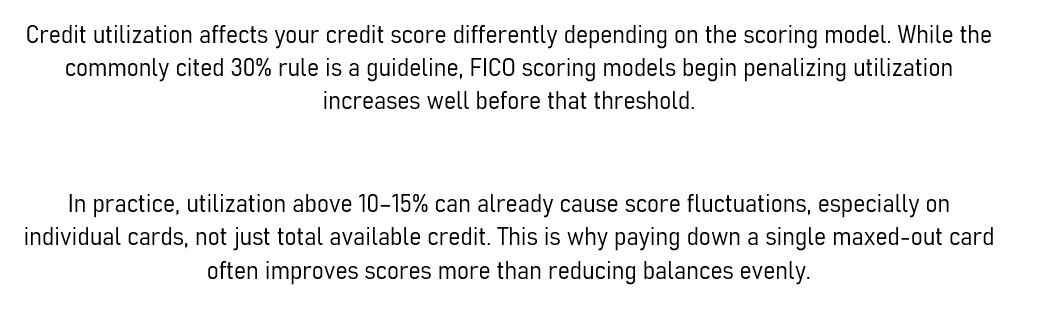
To get a better understanding of the implementation of this E-E-A-T signal, look at the following example:
The Right Way to Build Authoritativeness
Authority is all about whether others recognize you or not, both in the online and offline worlds. For instance, if a source gets high-quality backlinks from trusted platforms and brand mentions without links, it will generally be considered as ‘authoritative.’ But how to do that?
Well, you can start by creating content that features citations, quotes, and references. Then, you can also:
- Add clear author bios with background or credentials.
- Build a consistent brand presence across multiple platforms.
- Publish link-worthy content, such as guides, studies, and tools.
- Take assistance from collaborations, guest posts, and PRs to get mentions.
However, remember that you can’t gain authority overnight. It takes time. So, stay consistent, because there are no shortcuts to establishing brand authority in both online and physical spaces.
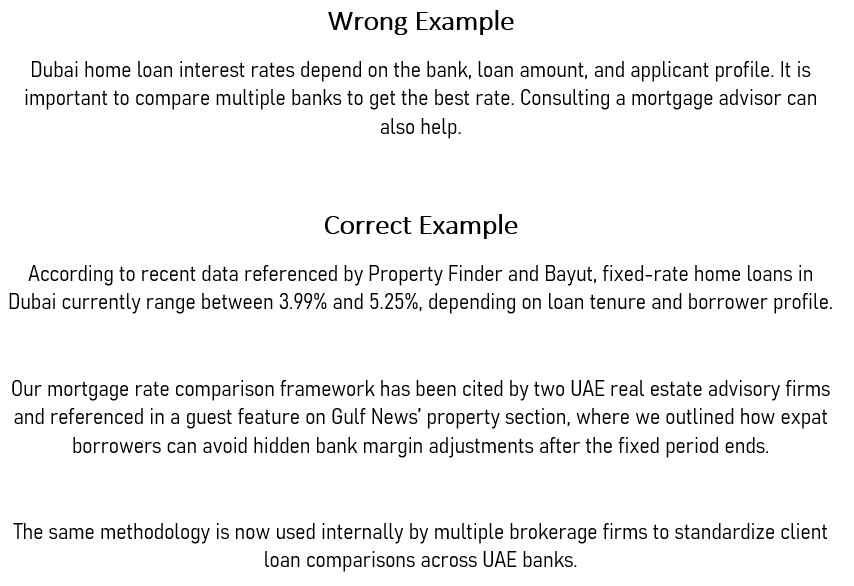
Have a look at the following example to better understand how you can add authority:
How to Enhance Trustworthiness
Trust is the most important aspect of the ‘E-E-A-T’ framework. That’s simply because if you fail to build trust among your audience, the rest of the signals don’t matter.
Therefore, start by ensuring that there are no technical issues with your platform, such as errors, broken sites, and security alerts like non-HTTPS addresses. Then, you also need to have the following pages on your site:
- About us.
- Author.
- Privacy policy.
- Terms and conditions.
You also need to mention clear editorial policies as well as sourcing and referencing wherever necessary.
As far as the content portion is concerned, your information must be up-to-date. And if you have any misleading headlines or exaggerated claims anywhere throughout your site’s content, you should remove them.
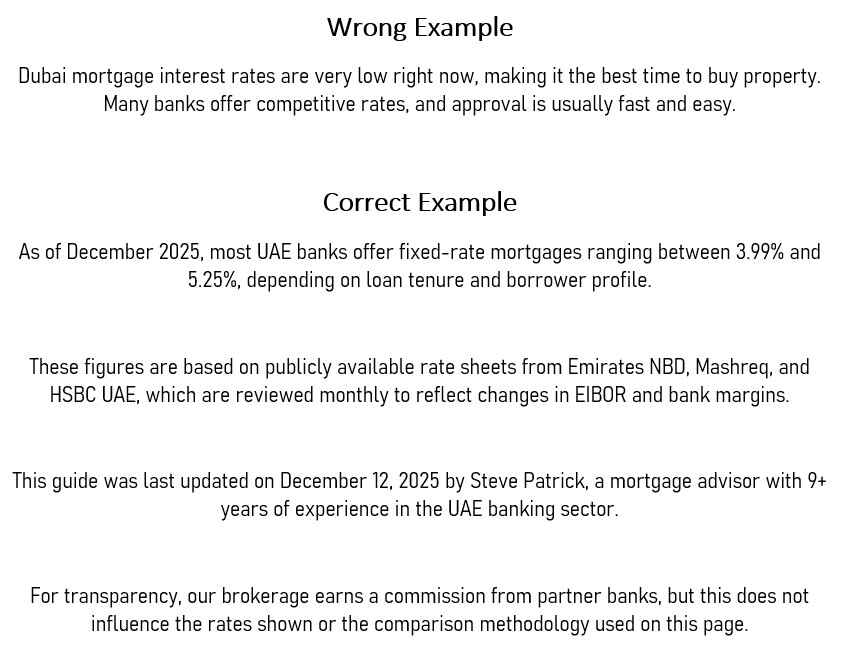
Here is an example that showcases what trustworthiness actually looks like:
Does E-E-A-T Really Matter for Long-Term SEO Growth?
E-E-A-T does not directly influence the ranking of a platform in SERPs (Search Engine Results Pages). However, Google uses this framework to assess the credibility, reliability, and usefulness of your content, especially if it belongs to the YMYL (Your Money or Your Life) category.
This means that if a content piece directly affects the health, money, safety, or life decisions of the audience, Google will heavily consider the E-E-A-T framework for ranking it. But this doesn’t mean that its principles won’t apply to other niches.
For this reason, you should always aim for a strong E-E-A-T because doing so will help you:
- Better resist against core updates.
- Gain stronger brand trust and conversions.
- Get higher rankings over time.
- Improve the user engagement ratio.
Final Verdict — E-E-A-T Is the Foundation of SEO’s Success
To sum up, Google no longer rewards content that targets keywords only. It searches for E-E-A-T signals. So, if you want to win the long-term race, you must establish credibility at all levels. And for that, it is necessary to cover each topic deeply, prioritize real-world experience, work on developing authority, and make it hard to challenge your trust.
Alan Mike is a seasoned website content writer specializing in SEO-friendly, engaging content. With expertise in various industries, Mike creates clear, informative, and compelling copy to boost user engagement and drive organic traffic for clients.
